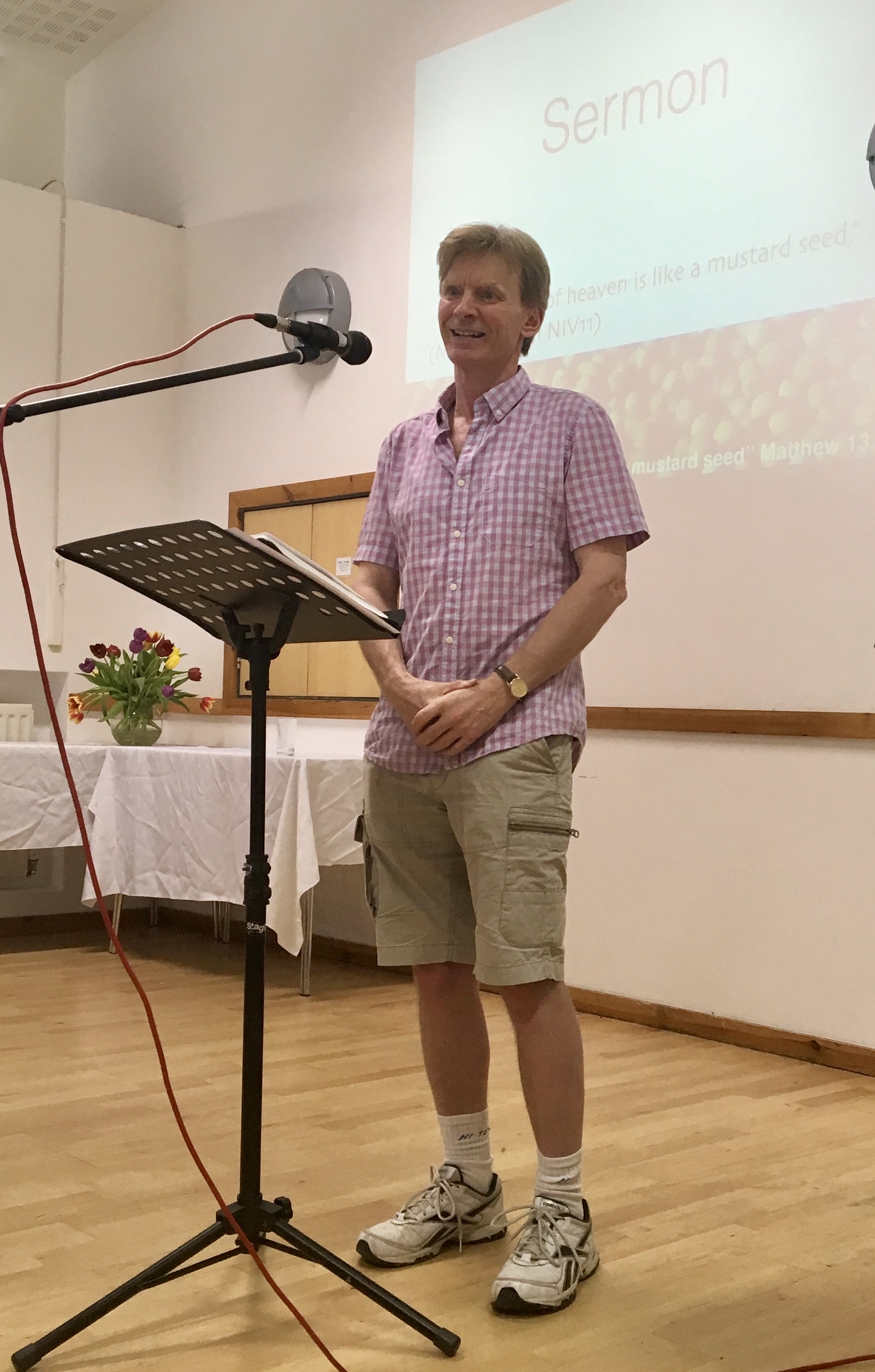

Thoughts inspired by a short lesson by Tony Coffey
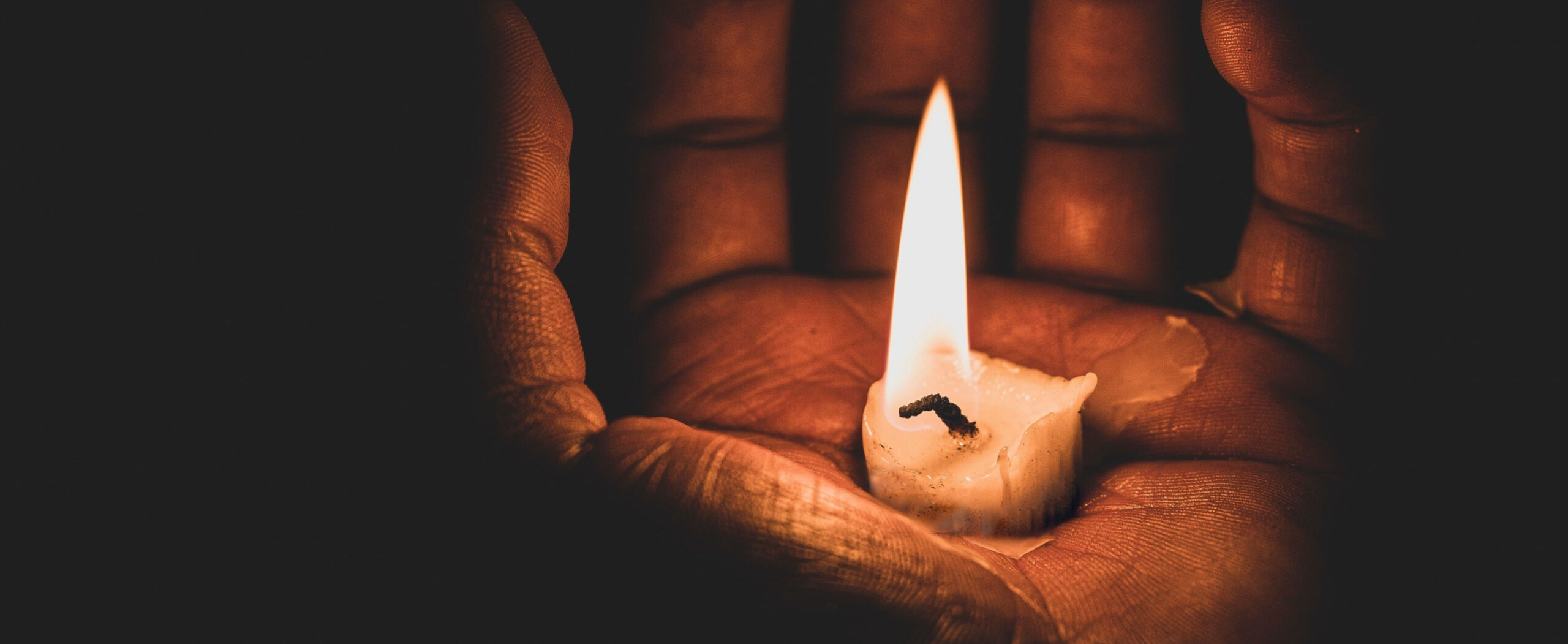
It’s January. The days are short. The nights are long. Darkness has the upper hand. And I’m not just talking about the annual winter season.
The war in Ukraine drags on. The conflict in Israel and Gaza continues to wound people on every side. A fire rips through a ski resort, turning a place meant for recreation into tragedy. Powerful nations make moves that cause consternation far beyond their borders, including recent actions by the United States toward Venezuela. When you add it all up, it’s no wonder we feel overwhelmed.
Honesty
That was the issue my friend Tony Coffey addressed in a recent short lesson. He pointed to 2 Kings 19, when King Hezekiah receives a letter threatening Jerusalem.
“Hezekiah received the letter from the hand of the messengers and read it; then Hezekiah went up to the house of the LORD and spread it before the LORD. And Hezekiah prayed before the LORD, and said: “O LORD the God of Israel, who are enthroned above the cherubim, you are God, you alone, of all the kingdoms of the earth; you have made heaven and earth. Incline your ear, O LORD, and hear; open your eyes, O LORD, and see; hear the words of Sennacherib, which he has sent to mock the living God. Truly, O LORD, the kings of Assyria have laid waste the nations and their lands, and have hurled their gods into the fire, though they were no gods but the work of human hands—wood and stone—and so they were destroyed. So now, O LORD our God, save us, I pray you, from his hand, so that all the kingdoms of the earth may know that you, O LORD, are God alone.” 2 Kings 19.14-19
The enemy is stronger. The outcome is obvious. There’s no plan left to try. So Hezekiah takes the letter, goes to the temple, spreads it out before God, and prays. What strikes me is how honest it is. Hezekiah doesn’t pretend things aren’t serious. He doesn’t dress it up. He simply lays the problem out and admits, in effect, that this is beyond him.
That feels close to home right now. Many of the things that trouble us most don’t have quick answers. No single speech ends a war. No policy fixes generations of hatred. No explanation makes sudden loss feel acceptable. Like Hezekiah, we often reach the point where all we can do is tell the truth about how bad it is.
Hope
But we mustn’t miss the thread of hope in Hezekiah’s prayer. He is honest about the unsolvable problem, but the challenges are not his focus. God is. Hezekiah reminds himself of who God is, where he sits, and what he has made. He believes God will see, hear and can save.
Hezekiah wants rescue, that’s for sure, but he is also keenly aware of the opportunity for God to receive recognition and glory. We know that the light shines brightest in the darkness and will, ultimately, prevail.
“The light shines in the darkness, and the darkness has not overcome it.” John 1.5
Such a hope is one of the reasons we take 1 Timothy 2.1-4 seriously.
“First of all, then, I urge that supplications, prayers, intercessions, and thanksgivings be made for everyone, for kings and all who are in high positions, so that we may lead a quiet and peaceable life in all godliness and dignity. This is right and is acceptable in the sight of God our Saviour, who desires everyone to be saved and to come to the knowledge of the truth.” 1 Timothy 2.1-4
That can be hard. Some of the people making decisions today are easy to criticise, and often for good reason. But prayer does something subtle to us. It refuses to let outrage be the final posture of the heart. It forces us to remember that leaders, however powerful, are still human beings, capable of fear, pride, misjudgment, and, sometimes, wisdom.
Praying for them doesn’t mean agreeing with them. It doesn’t cancel protest or concern. It simply means we ask God to work where our arguments and opinions cannot. It means we pray with hope.
“Be joyful in hope, patient in affliction, faithful in prayer.” Romans 12.12
Resurrection
Tony ended with a reminder that keeps all of this from collapsing into a black hole of despair: The resurrection. On Good Friday, it looked like evil had won. Violence had the last word. Injustice stood unchallenged. If you judged by what you could see, hope would have felt naive.
And yet, it wasn’t the end.
The resurrection doesn’t deny the darkness. It doesn’t diminish the suffering. But it insists that death, cruelty, and lies are not as final as they appear. Even when they seem dominant, they are not ultimate.[^1][^2]
So what do we do in dark times?
We pray when we’ve run out of answers.
We pray for people in power, even when we don’t trust them.
And we hold on to the stubborn hope that evil does not win, no matter how convincing it looks in the moment.
That may not feel like much. But sometimes faith looks exactly like this: Laying the problem out before God and refusing to believe that the worst thing is the last thing.
Please let me know your thoughts. I’d love to hear them.
Your brother, Malcolm
[^1]: You might like the Gaither Music song “It Is Finished” – https://youtu.be/ybU_ZK0rPeo?si=onBYMJrgGbdsyh47
[^2]: Notice the outcome of Hezekiah’s prayer in 2 Kings 19.35-37