2–3 minutes
Information supplied by Perplexity
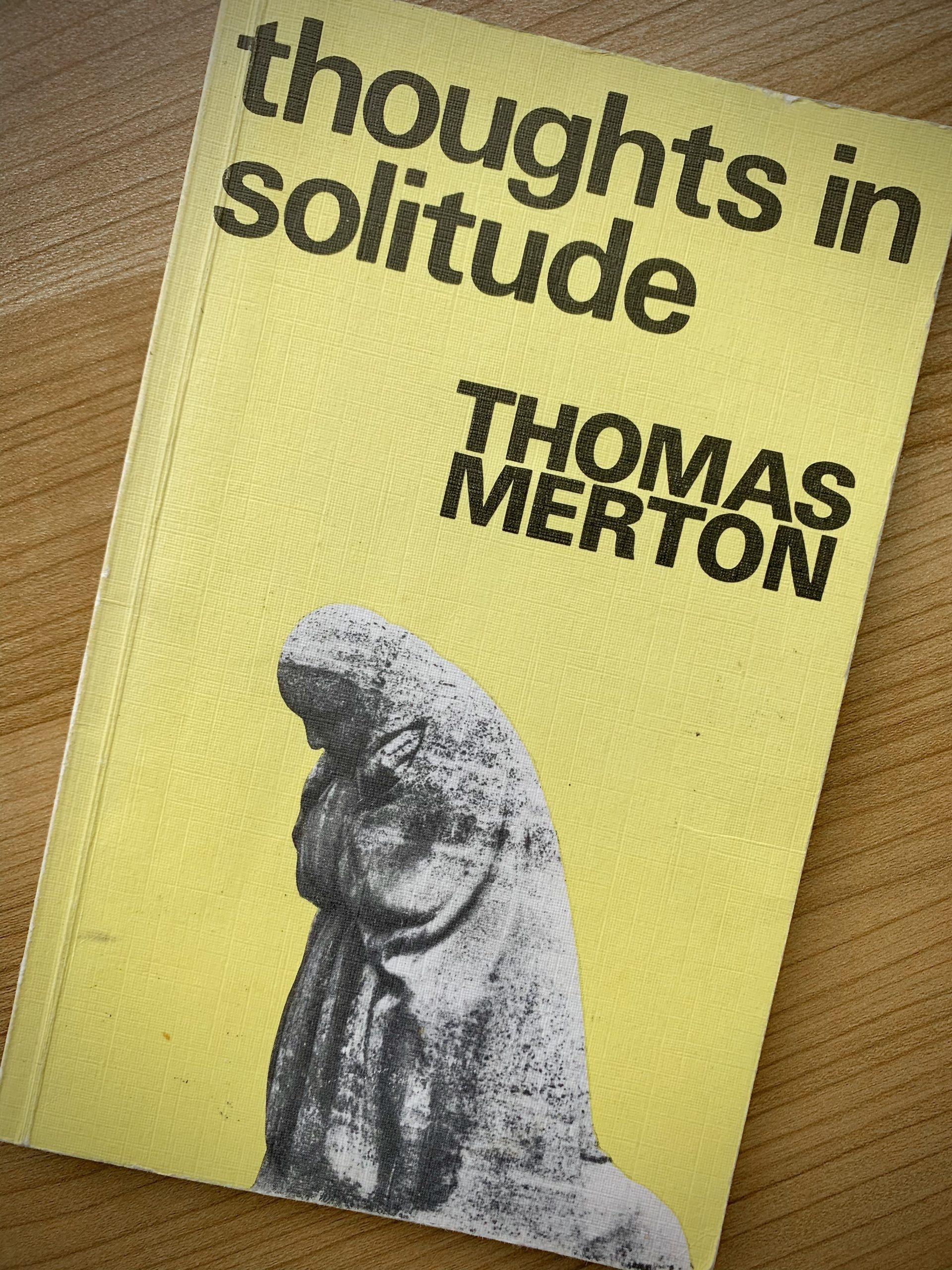
You might find this background useful when reading Merton’s works such as Thoughts in Solitude.
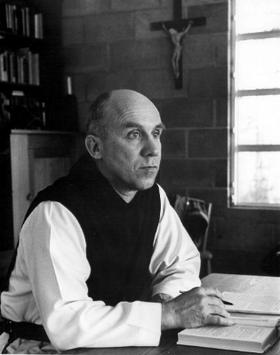
Thomas Merton was a 20th‑century Trappist monk, spiritual writer, and social critic whose work on contemplation, solitude, and peace has deeply influenced modern Christian spirituality. His book Thoughts in Solitude is a classic meditation on how solitude becomes a place of encounter with God, shaping interior freedom and compassionate engagement with the world.[malcolmcox]
Life and background
- Thomas Merton (religious name Father M. Louis) was born on 31 January 1915 in Prades, France, to artist parents of New Zealander and American background. He died suddenly on 10 December 1968 in Bangkok, Thailand, while attending a monastic conference.[en.wikipedia]
- After a restless youth and conversion to Catholicism, he entered the Trappist Abbey of Gethsemani in Kentucky in 1941, beginning a hidden but highly influential monastic life.[merton]
Writings and main themes
- Merton wrote more than 50 books in 27 years, focusing on spirituality, contemplation, social justice, and nonviolence, as well as poetry and literary essays. His best‑known work is the spiritual autobiography The Seven Storey Mountain (1948), which became a modern classic of conversion literature.[britannica]
- Key themes in his work include the call to inner conversion, the distinction between the “false self” and the “true self” in Christ, and the need for contemplation in a distracted, violent world.[timeofthechurch]
Solitude and contemplation
- For Merton, solitude is not escapism but a way of becoming truly human before God, discovering both one’s own heart and a deeper solidarity with others. He sees the “desert” of silence and withdrawal as a spiritual space where attachment, illusion, and fear are stripped away so that love and freedom can grow.[hermitary]
- Thoughts in Solitude and New Seeds of Contemplation explore how interior solitude can be lived even amid external noise, as the place where the true self in God is formed. Your review rightly notes his insistence that solitude should lead back into action and charity, not into self‑absorbed isolation.[malcolmcox]
Engagement with the modern world
- From the 1950s and 60s, Merton became a significant Christian voice for peace, critiquing nuclear arms, racism, and consumerism while insisting on nonviolent, Christ‑centred resistance. He has been called “the conscience of the peace movement of the 1960s” for his impact on Christian approaches to war and civil rights.[britannica]
- He also pioneered Catholic dialogue with Eastern traditions, especially Zen Buddhism, seeing them as partners in exploring the depths of contemplative experience while remaining rooted in Christian faith.[poetryfoundation]
Why he still matters
- Merton continues to shape contemporary spirituality through his insights into prayer, discernment, and the tension between contemplation and activism. His reflections on solitude, as you highlight in your post on Thoughts in Solitude, speak powerfully to a culture marked by distraction, anxiety, and shallow forms of community.[en.wikipedia]
Has Merton blessed your spiritual life as he has mine? If so, I’d love to hear from you.
Your brother, Malcolm
484 words