1–2 minutes
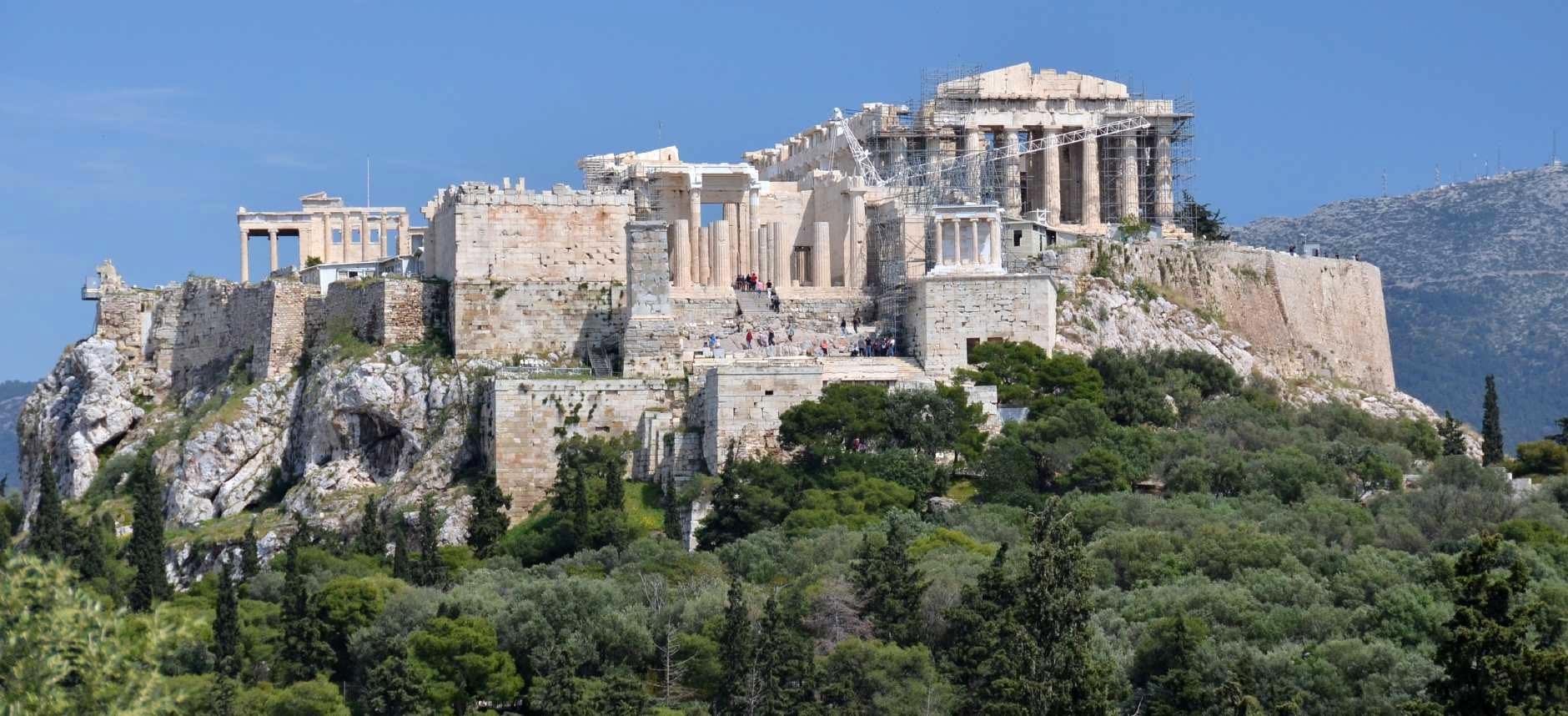
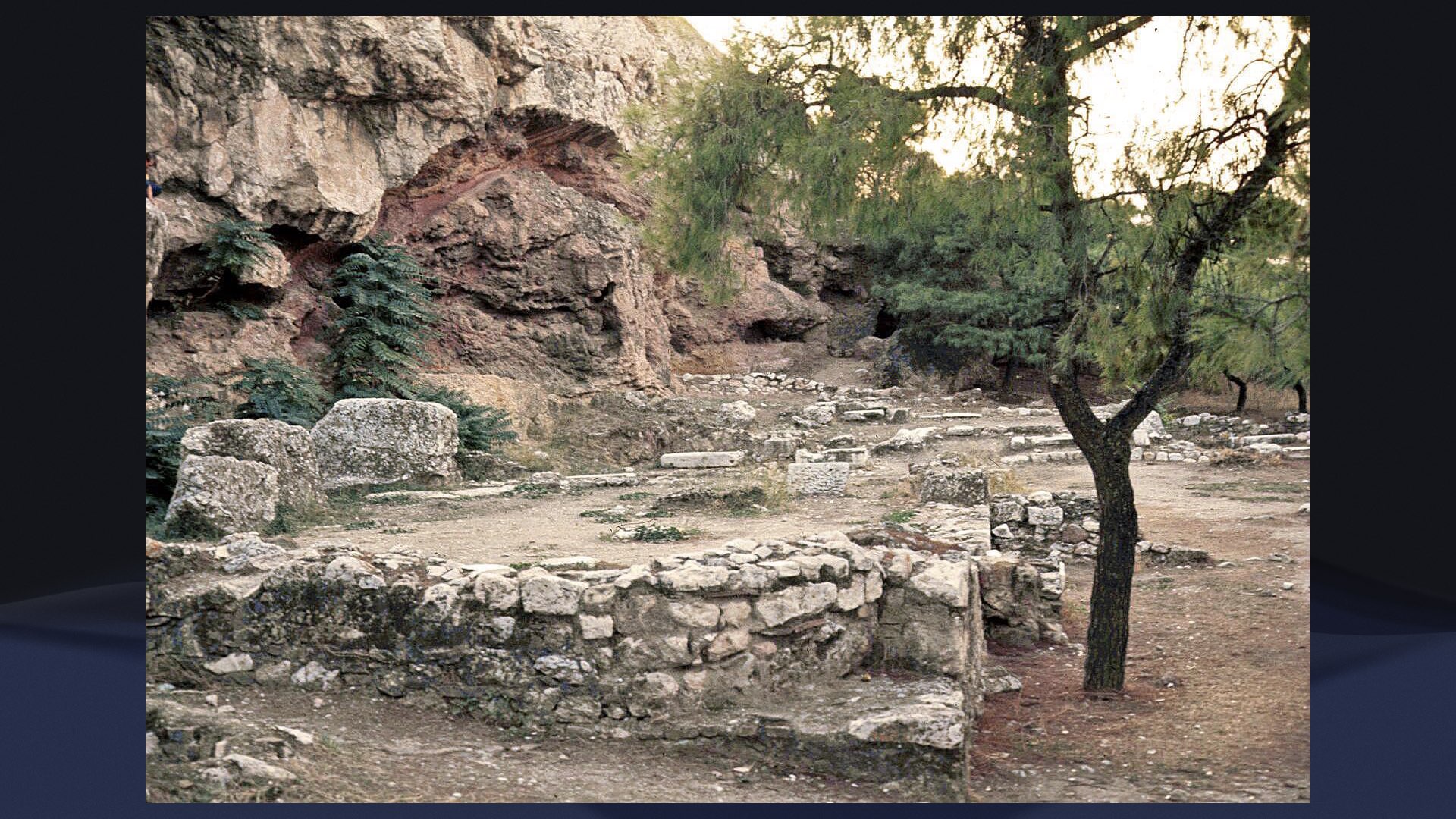
Exploring Acts 17:22–31 (Areopagus Speech)
Paul’s sermon in Athens follows a classic rhetorical structure:
- Exordium – Establishing rapport (v. 22)
- Proposition – Introducing the “unknown God” (v. 23)
- Proof – Logical argument about creation and providence (vv. 24–29)
- Peroration – Call to repentance and judgment (vv. 30–31)
He even quotes Greek poets:
- Epimenides (v. 28a)
- Aratus (v. 28b)
This demonstrates:
- Cultural awareness
- Persuasive adaptation to audience
- Sophisticated rhetorical skill
Paul may not have relied on his skill as a speaker (1 Corinthians 2.1-5), but his speeches and writing clearly expose his learning and competence in this area. He possessed rhetorical power, but he submitted it to the authority of the gospel, embodying the principle:
“But we preach Christ crucified…” (1 Cor 1:23)
Healthy preaching and teaching emphasis substance over style and Scripture over human wisdom, but the ability to use communication techniques to God’s glory is important.
What’s your take on this topic? I’d love to hear your thoughts. Please drop me a comment.
Your brother, Malcolm
154 words